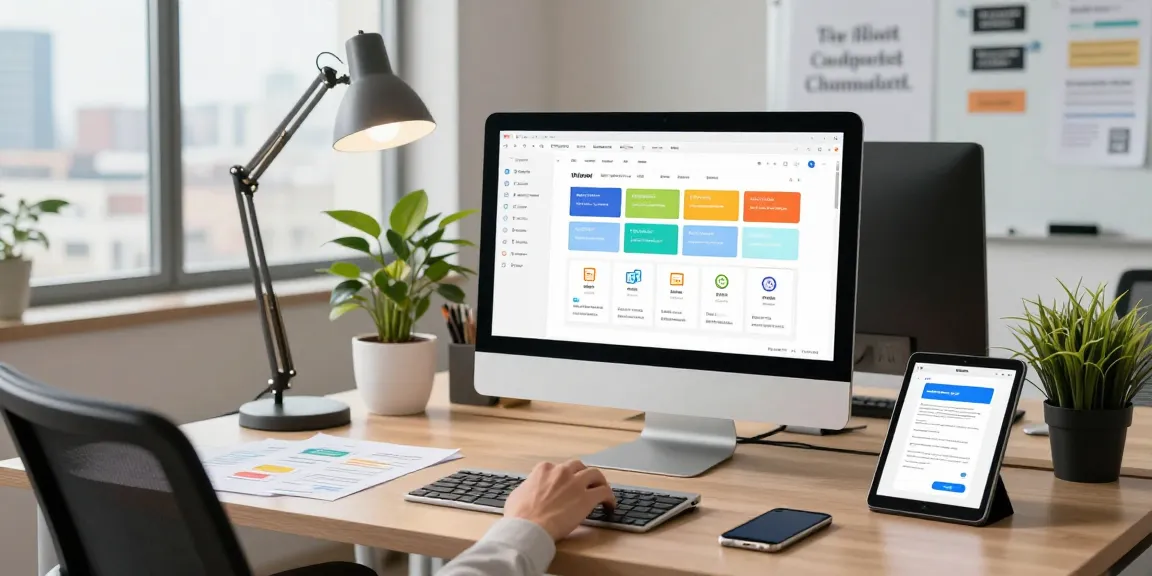
The Importance of Building Internal Tools with AI
In today’s fast-paced business environment, organizations are increasingly reliant on technology to enhance efficiency and streamline operations. One of the most impactful ways to achieve this is through the development of internal tools. As businesses grapple with managing vast amounts of data, the need to automate processes and eliminate repetitive tasks becomes paramount. This is where the power of AI comes into play. By leveraging AI, teams can create customized internal solutions that not only save time but also significantly improve accuracy and user experience. As you consider how to build internal tools with AI, it’s essential to understand the distinct needs of your business and the processes that could benefit from automation.
Understanding Internal Tooling Needs
Internal tools serve as the backbone of many organizations, facilitating communication, managing workflows, and supporting data analysis. Before diving into development, it’s crucial to identify specific pain points within your organization. Are there recurring tasks that consume an excessive amount of time? Do team members struggle with managing communication across platforms? Understanding these needs allows your team to prioritize what tools will provide the most value.
How AI Enhances Efficiency in Development
AI can significantly enhance the efficiency of building internal tools. With machine learning algorithms, AI can analyze repetitive tasks and suggest automation opportunities. Moreover, AI-driven tools allow for rapid prototyping and iterations, which can drastically shorten development cycles. Instead of spending hours on coding, teams can focus on fine-tuning functionalities and user experience, leading to more robust tools that directly address user needs.
Common Misconceptions About No-Code Solutions
No-code platforms are often surrounded by misconceptions, particularly around their capabilities. Many believe that no-code solutions lack flexibility and are only suited for simplistic applications. In reality, these platforms can support complex solutions when combined with AI, offering extensive customization without requiring extensive coding knowledge. This empowers teams to create powerful internal tools quickly, enabling a more agile response to changing business requirements.
Step-by-Step Guide to Building Your First Internal Tool
The journey to building your first internal tool may seem daunting, but it can be broken down into manageable steps. Whether you’re automating a simple task or creating a complex workflow, follow this guide to navigate the process smoothly.
Identifying Business Processes for Automation
The first step in creating an effective internal tool lies in identifying the business processes that could benefit from automation. Engage with team members to understand their day-to-day challenges. Common areas ripe for automation include project management, customer follow-ups, and data entry. By focusing on processes that are repetitive and time-consuming, you can make a significant impact.
Utilizing AI Tools for Rapid Development
There are various AI-driven no-code platforms available that can facilitate the rapid development of internal tools. These platforms often come with drag-and-drop interfaces, allowing users to build applications visually rather than through traditional coding. Some renowned tools include Zapier, Airtable, and even customized AI frameworks that integrate with existing systems. Utilizing these tools can lead to faster deployment and iterations, making the entire process more efficient.
Testing and Refining Your Internal Tool
Once your internal tool is built, rigorous testing is essential. Involve end-users in the testing phase to gather feedback on usability and functionality. Identify any bottlenecks or areas of confusion, and refine the tool accordingly. Continuous improvement is vital; after deployment, regularly monitor performance metrics and user feedback to ensure that the tool remains effective as business needs evolve.
Real-World Examples of Successful AI Tools
Understanding how other organizations have successfully implemented internal tools can provide valuable insights as you embark on your journey. Here are a few noteworthy examples:
Case Study: Effective Internal Communications Tracker
A leading tech company developed an internal communications tracker that automatically notifies team members about project updates and deadlines. By integrating AI, the tool can analyze email threads and highlight messages requiring immediate attention, significantly reducing response times and improving project management.
Case Study: Tech On the Way ETA Notifier
Another practical application of an internal tool is the “Tech On the Way” ETA notifier. This tool allows service technicians to send automated alerts to customers with estimated arrival times, complete with the technician’s name and photo. By improving communication, the tool minimizes the number of “Where are they?” inquiries from customers, enhancing satisfaction and operational efficiency.
Learning from Failures: Tools that Missed the Mark
Not every internal tool is a success. An example of a failed initiative involved a complex project management tool that lacked user-friendly design. Users found the interface overwhelming, leading to underutilization and frustration. This underscores the importance of user involvement in the development process and the necessity of testing for usability before widespread adoption.
Best Practices for Governance and Compliance
Building internal tools is not solely about functionality; it also involves governance and compliance. Establishing best practices ensures that tools remain secure, efficient, and aligned with company policies.
Implementing Security Measures in Internal Tools
Security must be a primary consideration when developing internal tools. Implement robust security protocols, such as data encryption, user authentication, and regular security audits. Educating your team about these security measures will further ensure compliance and minimize risks.
Strategies for Team Collaboration and Feedback
Fostering a culture of collaboration is essential for the success of any internal tool. Utilize platforms that facilitate easy feedback collection and ensure that team members feel empowered to share their experiences and suggestions. Regularly update your tools based on this feedback, demonstrating responsiveness to user needs.
Adjusting Governance as Your Tool Scales
As your internal tools grow in complexity and usage, it’s vital to adjust governance structures. Regularly review and update your compliance protocols to address any new risks or regulations. A proactive approach to governance will help maintain user trust and tool effectiveness.
Future Trends in AI Internal Tool Development
The landscape of internal tool development is constantly evolving, particularly with the advent of new technologies. Staying ahead of these trends will enable organizations to leverage AI effectively.
Emerging Technologies and Innovations for 2026
As we move toward 2026, we can expect AI to further integrate into everyday business processes. Innovations in natural language processing (NLP) and machine learning will allow internal tools to operate with greater autonomy and accuracy. Features like dynamic user interfaces and predictive analytics will likely become standard, enhancing usability and decision-making capabilities.
The Shift Towards Fully Automated Solutions
The future will likely bring a shift towards fully automated solutions, where internal tools not only assist but are capable of making decisions based on predefined parameters. Organizations will benefit from tools that self-optimize over time, learning from user interactions to better serve their needs without constant human oversight.
Preparing Your Team for Ongoing Changes
Adapting to these changes requires a forward-thinking mindset within your team. Encourage continuous learning and provide resources for skill development in AI and automation. This will prepare your team for future challenges and opportunities as internal tools evolve.
What is an Internal Tool?
Internal tools are applications developed for use within an organization to assist with various tasks, from communication to project management. These tools are designed to streamline processes, improve efficiency, and foster collaboration among team members.
Why Choose No-Code Solutions?
No-code solutions democratize the development process, allowing individuals without programming experience to create functional applications. This approach empowers teams to address their unique challenges more rapidly and flexibly, making it a popular choice for internal tool development.
How to Integrate AI into Existing Workflows?
Integrating AI into existing workflows requires a phased approach. Start by mapping out current processes and identifying bottlenecks where AI can add value. Gradually introduce AI-powered tools and provide training for team members to ensure a smooth transition.
What Are the Key Metrics for Success?
Success can be measured through various metrics, including user adoption rates, time saved on tasks, and overall satisfaction among team members. Frequent evaluation of these metrics will help refine tools and ensure they continue to meet business needs.
How Can Internal Tools Adapt to Business Needs?
Flexibility is key for internal tools. Regular feedback from users should inform updates and improvements, allowing tools to evolve in alignment with changing business objectives and user requirements.